
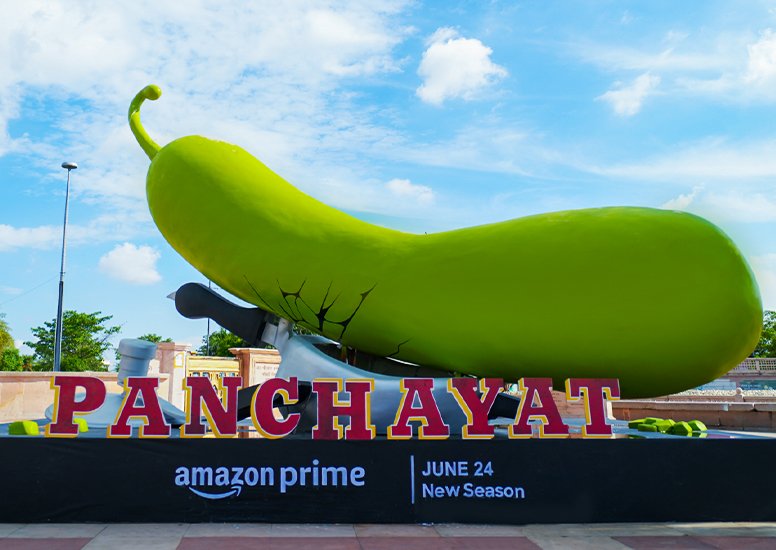
Updated: August 2026
A successful brand activation is not a stall with a logo, a promoter handing out samples, or a technology installation added simply because it looks impressive.
It is a carefully planned interaction between a brand, audience, product, place and moment.
That distinction matters more in 2026 because consumers are surrounded by advertising almost everywhere they go. Brands are competing not only with other brands, but with notifications, creators, entertainment, social platforms and countless other demands on attention.
Physical and experiential marketing gives marketers something increasingly valuable: an opportunity to move people from simply seeing a brand to actively experiencing it.
Recent Indian market data makes that shift clear.
The 2026 EY-Parthenon and BookMyShow report Beyond Attention. Into Immersion estimates India’s live-events market at approximately ₹13,000 crore. According to the research, 78% of Indian consumers prefer experiences over products, while 59% of live-event attendees recall brands they interact with on-ground and 55% report higher purchase intent after interacting with brands at events.
For marketers, the lesson is not simply “do more events.”
It is:
Create better-designed experiences with a clear reason for people to participate.
That is the real role of a Brand Activation Planner.
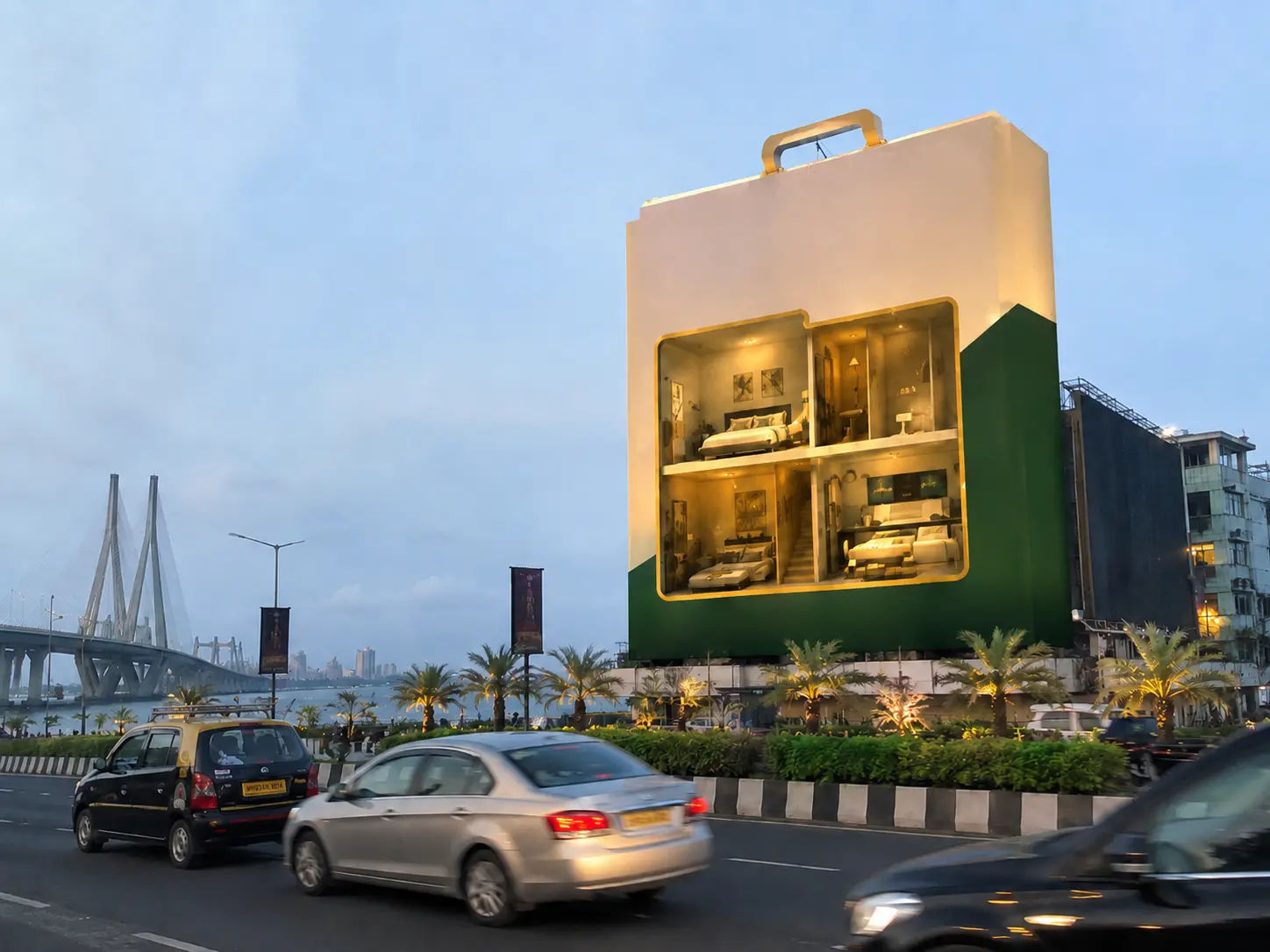
What Is Brand Activation?
Brand activation is a marketing approach designed to encourage direct interaction between a brand and its target audience.
Instead of communicating only through advertising, the brand creates an experience people can participate in.
A brand activation could include:
- Mall activation
- Product sampling
- Product demonstration
- Pop-up experience
- Campus activation
- Corporate-park activation
- Retail activation
- Roadshow
- Sports activation
- Festival activation
- Interactive installation
- AR or VR experience
- AI-powered experience
- Hologram installation
- Projection mapping
- Gamified experience
- Immersive product launch
- Outdoor experiential campaign
The format itself is secondary.
A successful activation begins with a much more important question:
What should the audience think, feel or do after interacting with the brand?
Why Brand Activation Matters More in 2026
Brand activation has historically been treated as a tactical marketing activity, something added to a launch, festival, mall promotion or campaign.
That mindset is changing.
EY’s 2026 India research found that brands increasingly expect experiential marketing to support multiple objectives including awareness, engagement, product trial, cultural relevance and advocacy. Among surveyed brands already investing in experiential marketing, 88% reported increasing their experiential spending.
Separate global research released by PQ Media in June 2026 estimated that experiential marketing spending reached approximately $138.94 billion globally in 2025 and projected growth of 10.3% during 2026.
There is a simple reason behind this investment:
People remember what they participate in differently from what they passively scroll past.
But increased spending does not automatically produce better results.
The brands that benefit most will be the ones that improve the quality of their activation planning.
What Does a Brand Activation Planner Actually Do?
A professional Brand Activation Planner connects marketing strategy with physical execution.
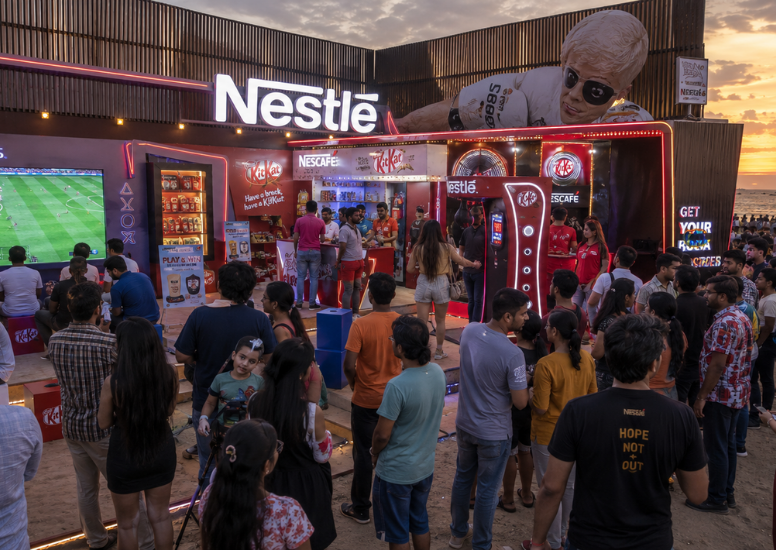
The planner needs to understand:
- The brand
- The business objective
- The product or service
- The target audience
- The market
- The location
- Audience behaviour
- The creative idea
- The experience journey
- Production requirements
- Technology
- Staffing
- Permissions
- Measurement
- Post-activation amplification
Removing any one of these factors can weaken the final campaign.
For example, an outstanding creative concept placed in the wrong location can fail.
A high-footfall location with an irrelevant audience can fail.
An impressive technology installation without a clear brand connection can fail.
And a beautiful installation that people photograph without remembering the company behind it can fail as a brand activation, even if it succeeds as entertainment.
The role of activation planning is to connect all these elements.
The Five Questions Every Brand Should Answer Before Planning an Activation
Before discussing fabrication, booth design or technology, answer five questions.
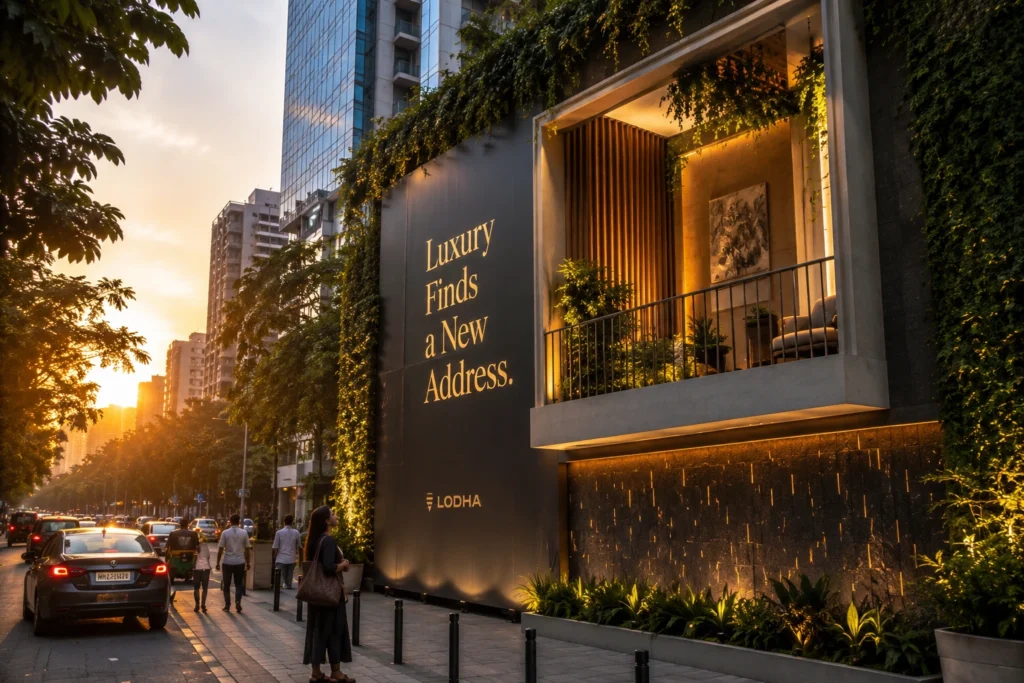
1. Who exactly are we trying to reach?
“Everyone” is not a useful target audience.
Define the audience clearly.
For example:
- Working professionals aged 25–40
- College students
- Premium automobile buyers
- Parents with young children
- Residential communities
- Fitness enthusiasts
- Beauty consumers
- Retail shoppers
- Technology decision-makers
- Dealers and distributors
- Investors
- Gen Z consumers
The better the audience definition, the better the activation can become.
2. What is the single most important objective?
Brand activation can support different marketing objectives.
EY-Parthenon and BookMyShow’s 2026 findings indicate that brands are using experiential marketing for objectives including brand awareness, product sampling and trial, sales growth and brand storytelling.
But one activation should still have a clear primary purpose.
Is your priority:
Brand awareness?
Then you need reach, visibility, memorability and shareability.
Product trial?
Then participation and sampling quality become critical.
Product education?
The activation must make complicated information easy to understand.
Launch?
You need reveal, storytelling, excitement and media value.
Engagement?
The experience must give people a meaningful reason to participate.
Retail footfall?
Location, offers and conversion pathways become more important.
Your primary objective should influence almost every subsequent decision.
3. What should people remember?
An activation can contain ten messages but people may remember only one or two.
Identify the single most important takeaway.
For example:
“This product is faster.”
“This drink is refreshing.”
“This vehicle is technologically advanced.”
“This financial service is easier.”
“This brand understands my lifestyle.”
“This company is innovative.”
Once that message is clear, the activation can be designed to demonstrate it instead of merely displaying it.
4. Where should the activation happen?
This is one of the most underestimated decisions in experiential marketing.
The location determines:
- Audience profile
- Footfall
- Dwell time
- Environment
- Available space
- Visibility
- Competition for attention
- Participation behaviour
- Permissions
- Production complexity
- Operating hours
- Weather exposure
- Cost
This is why location strategy should come before final creative execution.
5. What happens after someone participates?
The activation should not necessarily end when the participant walks away.
Think about what happens next.
Could the participant:
- Scan a QR code?
- Receive personalised content?
- Share a generated video?
- Follow the brand?
- Redeem an offer?
- Visit a retail store?
- Try the product?
- Register for a future experience?
- Continue the interaction online?
Great brand activation planning considers the before, during and after.
Location Strategy: Why the Same Brand Activation Should Not Be Used Everywhere
A common mistake in activation planning is designing one concept and repeatedly placing it in different locations.
That may simplify production.
It does not always maximise impact.
A location is not simply a piece of available floor space.
It is part of the experience.
Brand Activation in Shopping Malls
Malls provide concentrated footfall and strong retail context.
However, shoppers are exposed to storefronts, kiosks, screens, signage, entertainment and competing promotions.
You often have only seconds to create curiosity.
Strong mall brand activation ideas may include:
- Gamified challenges
- Sampling experiences
- Product-testing stations
- Interactive digital screens
- AI photo experiences
- AR installations
- Spin-and-win mechanics
- Product demonstrations
- Premium pop-ups
- Immersive installations
For mall activations, planners should think carefully about:
Stop Power → Participation → Product Interaction → Recall
A visually attractive kiosk that nobody approaches is not enough.
Corporate Park Brand Activation
Corporate parks require different behaviour.
People may be:
- Entering work
- Leaving work
- On lunch breaks
- Between meetings
- Moving quickly between buildings
The activation therefore often needs a lower participation barrier.
A three-minute interaction may outperform a 15-minute immersive activity.
Relevant ideas can include:
- Quick challenges
- Product sampling
- Coffee integrations
- Health and wellness experiences
- Interactive quizzes
- Smart vending
- Instant personalisation
- Lunch-hour engagement
- Demonstrations
Convenience becomes part of the creative strategy.
College and Campus Activation
Campus environments can be ideal for brands targeting younger consumers.
But simply playing loud music and distributing free products is not a strategy.
Campus brand activation ideas may work particularly well when participation includes:
- Competition
- Gaming
- Music
- Sport
- Social content
- Creators
- Personalisation
- Technology
- Rewards
- Community participation
The question should be:
Would students participate even if a promoter did not have to convince them?
If yes, the idea probably has strong engagement potential.
Residential Society Activation
Residential communities can work well for categories such as:
- FMCG
- Food and beverages
- Home products
- Financial services
- Healthcare
- Automotive
- Education
- Consumer technology
- Fitness
- Family entertainment
These campaigns can benefit from longer dwell time and family participation.
However, society activations need careful timing, permissions and demographic selection.
A location with 2,000 residents is not necessarily better than one with 800 highly relevant households.
Targeted footfall can be more valuable than maximum footfall.
Retail Brand Activation
Retail activation should connect experience with purchase behaviour.
Possible strategies include:
- Trial
- Demonstration
- Guided comparison
- Personalisation
- Interactive displays
- Limited-edition experiences
- Digital product discovery
- Creator interaction
- Loyalty integration
The experience should reduce friction between:
Discovery → Interest → Consideration → Purchase
Outdoor Brand Activation
Outdoor activations need strong visual communication because audiences are often moving.
A pedestrian may give the campaign only a few seconds.
Outdoor concepts may include:
- Large-scale installations
- Mobile activations
- Branded vehicles
- Projection
- Interactive outdoor structures
- Roadshows
- Public challenges
- Experiential OOH
- Technology-led installations
Here, simplicity is often a strength.
If the idea takes two minutes to explain, it may not work in a location where people give you two seconds.
10 Brand Activation Ideas That Make Sense in 2026
Technology is expanding what marketers can create, but the best brand activation ideas still begin with human behaviour.
Here are ten useful creative directions.
1. Gamified Product Discovery
Don’t tell people about the product.
Let them discover it.
A game can convert product benefits into participation.
For example, instead of writing that a smartphone has exceptional camera capabilities, create a photography challenge.
Instead of telling audiences that a vehicle has advanced safety technology, create an interactive simulation.
The participant learns through action.
2. AI-Personalised Brand Experiences
Generative AI makes it possible to create personalised images, videos, recommendations and interactions in real time.
For example:
A travel company could generate a participant’s dream destination visual.
A sports brand could transform participants into athletes.
A fashion brand could generate personalised looks.
An entertainment brand could place participants inside a fictional world.
But there is an important 2026 lesson:
AI should improve the experience, not become the experience simply because AI is fashionable.
PwC’s 2025 Customer Experience Survey found that 58% of consumers were only somewhat comfortable or not comfortable using AI tools to engage with brands.
That makes transparency, simplicity and human-centered design increasingly important.
3. AR Product Exploration
Augmented reality can add digital information or interactive elements to the physical environment.
It can be useful when products need:
- Visualisation
- Configuration
- Exploration
- Education
- Virtual placement
- Storytelling
AR works best when it solves a real communication problem.
Technology without purpose quickly becomes a gimmick.
4. VR Simulation
Virtual reality can allow audiences to experience environments that are impossible or expensive to recreate physically.
Examples might include:
- Virtual test drives
- Travel experiences
- Real-estate walkthroughs
- Industrial simulations
- Training
- Gaming
- Product environments
The strongest VR activation should still answer:
Why does this experience make more sense in VR than on a normal screen?
5. Social Content Studios
Instead of asking participants to post about your brand, create something they genuinely want to share.
Possible formats include:
- AI portraits
- Slow-motion videos
- 360° video booths
- Cinematic product videos
- Dynamic backgrounds
- Motion-controlled installations
- Personalised digital posters
The content should provide value to the participant first.
The brand visibility follows naturally.
6. Experiential Product Sampling
Sampling can become much more memorable when the product is part of an experience.
Instead of:
Take sample → Leave
Design:
Curiosity → Interaction → Product Story → Trial → Reaction → Share
The experience creates context around the product.
7. Interactive Installations
Sensors, touch interfaces, motion tracking, RFID, NFC and computer vision can transform static spaces into responsive environments.
A participant’s:
- Movement
- Touch
- Voice
- Choice
- Position
- Gesture
can influence what happens around them.
But interactive technology should make participation intuitive.
Nobody wants to read a long operating manual at an activation.
8. Immersive Brand Worlds
A strong pop-up can become a physical version of the brand’s personality.
Instead of displaying products on shelves, the entire environment can communicate:
- Brand story
- Product benefits
- Lifestyle
- Culture
- Community
Lighting, sound, material, scent, digital content and interaction can work together to create immersion.
9. Community-Led Activations
Not every activation needs to attract the largest possible crowd.
Brands can instead create smaller experiences around communities that genuinely care about a category.
For example:
- Running clubs
- Gaming communities
- Beauty communities
- Music fans
- Automotive enthusiasts
- Entrepreneurs
- Creators
The value of a participant should not always be measured only as one additional footfall number.
10. Phygital Brand Experiences
The physical and digital experience should no longer be treated as separate campaigns.
A physical activation might generate:
- Personalised digital content
- Online challenges
- Social participation
- QR-led journeys
- Rewards
- CRM interactions
- Digital collectibles
- Post-event communication
The physical moment can become the beginning of a larger brand journey.
The Best Activation Is Not Always the Most Technologically Advanced
This point is important.
AR is not automatically better than sampling.
AI is not automatically better than a physical game.
Holograms are not automatically better than an excellent product demonstration.
Projection is not automatically better than a clever human interaction.
Technology should be chosen after the marketing problem is understood.
Ask:
Does this technology improve understanding, participation, memorability or shareability?
If the answer is no, remove it.
A simple activation perfectly aligned with consumer behaviour can outperform a technically complex activation with no meaningful purpose.
Brand Activation vs Brand Awareness Campaign: What’s the Difference?
The terms are related but not identical.
Brand Awareness Campaign
A brand awareness campaign is designed primarily to increase recognition, familiarity or recall.
It may use:
- Digital advertising
- Social media
- OOH
- Influencers
- Content
- Sponsorship
- PR
- Experiential marketing
Brand Activation
A brand activation creates a direct interaction between people and the brand.
Therefore:
Brand activation can be one component of a larger brand awareness campaign.
A powerful campaign could combine:
OOH → Social → Influencers → Brand Activation → User-Generated Content → Retargeting
Instead of treating channels separately, the best campaigns allow each channel to strengthen another.
How to Build a Brand Awareness Campaign Around an Activation
A useful activation should not exist only at the venue.
Think in three stages.
Before the Activation
Create anticipation through:
- Social teasers
- Influencers
- Outdoor communication
- Community outreach
- PR
- Retail communication
During the Activation
Create participation through:
- Experiences
- Demonstrations
- Games
- Content
- Sampling
- Installations
- Live interactions
After the Activation
Extend the campaign through:
- Participant content
- Recap videos
- Creator amplification
- Retargeting
- Social content
- Earned media
- Community follow-up
Now your activation becomes content infrastructure, not just an event expense.
How Experiential Trzy Plans Brand Activations
At Experiential Trzy, powered by Trzy Innovationz, our planning philosophy begins with understanding the brand rather than searching for an activation template.
Experiential Trzy currently provides services across areas including brand activations, product launches, pop-up experiences, interactive installations, AR/VR, holograms, projection mapping, outdoor advertising, mall activations and exhibition setups.
But technology or format comes later.
Our starting point is:
What is the brand trying to achieve?
Who should participate?
Where should the campaign happen?
Why should somebody stop?
What should they do?
What should they remember?
How should success be measured?
Only then should a creative direction be developed.
We Don’t Believe in Copy-Paste Brand Activation
An activation created for an automobile company should not simply be re-skinned for a financial-services company.
An experience designed for a college should not automatically be placed inside a premium mall.
A technology that worked beautifully for an entertainment brand may make absolutely no sense for an FMCG product.
Every activation has a unique combination of:
Brand + Product + Audience + Objective + Location + Culture
Our goal is to identify an idea that belongs to that combination.
Not:
“What activation is trending?”
But:
“What would make this audience understand and remember this particular brand?”
That shift creates stronger creative thinking.
Our Brand Activation Planning Framework
A professional activation can be structured around eight stages.
Stage 1 — Brand Understanding
Understand:
- Brand positioning
- Product/service
- Communication
- Competitors
- Consumer perception
- Campaign context
Stage 2 — Audience Understanding
Define:
- Who
- Where
- Why
- When
- Behaviour
- Motivation
Stage 3 — Campaign Objective
Choose the primary objective.
Examples:
- Awareness
- Trial
- Engagement
- Education
- Launch
- Advocacy
Stage 4 — Location Strategy
Evaluate:
- Audience relevance
- Footfall
- Visibility
- Dwell time
- Timing
- Permissions
- Space
- Infrastructure
Stage 5 — Creative Concept
Develop the central idea.
The creative concept should make the brand message easier to experience.
Stage 6 — Experience Journey
Map the consumer journey:
Attract
What makes people stop?
Approach
Why will they walk toward the activation?
Participate
What will they do?
Understand
What message will they receive?
Reward
What value does the participant get?
Remember
What is the final takeaway?
Amplify
Why might they share the experience?
Stage 7 — Production & Execution
This can involve:
- Design
- Fabrication
- Technology
- Content
- Venue coordination
- Promoters
- Installation
- Logistics
- Technical operations
- Permissions
- Safety
- Dismantling
Experiential Trzy’s existing activation offering includes planning, production and on-ground execution, along with campaigns such as malls, campuses, retail promotions, outdoor engagement, sampling and experience zones.
Stage 8 — Measurement
Measurement should be planned before launch—not invented after the campaign ends.
How Should Brand Activation Performance Be Measured?
One of experiential marketing’s historic weaknesses has been measurement.
EY’s India research found uncertainty around measurement and ROI among the barriers preventing some brands from expanding experiential investment.
Brands therefore need to move beyond reporting only:
“25,000 people visited the location.”
Footfall is useful, but it does not tell the entire story.
A better measurement framework includes multiple levels.
1. Reach Metrics
Measure:
- Location footfall
- Activation visibility
- Unique visitors
- Digital reach
- Earned reach
2. Engagement Metrics
Measure:
- Participants
- Participation rate
- Dwell time
- Game completions
- Product interactions
- Samples distributed
For example:
Participation Rate = Participants ÷ Relevant Footfall × 100
If 10,000 relevant visitors pass an activation and 2,000 participate:
Participation Rate = 20%
That tells you much more than footfall alone.
3. Experience Metrics
Consider:
- Completion rate
- Repeat participation
- Experience rating
- Sentiment
- Product understanding
- Brand recall
4. Content Metrics
Measure:
- User-generated posts
- Videos generated
- QR interactions
- Shares
- Mentions
- Influencer content
- Organic reach
5. Business Metrics
Where appropriate, track:
- Product trials
- Offer redemptions
- Retail visits
- Sales lift
- Registrations
- Qualified enquiries
- Coupon usage
The exact KPI depends on the objective.
Brand Activation Metrics: A Simple Example
Imagine an FMCG brand activation at a mall.
Total relevant footfall:
30,000
People who stopped:
6,000
Participants:
3,600
Product trials:
3,000
QR interactions:
900
Social shares:
420
From these numbers, marketers can calculate:
Stop Rate:
6,000 ÷ 30,000 = 20%
Participation Rate among Stoppers:
3,600 ÷ 6,000 = 60%
Trial Rate:
3,000 ÷ 3,600 = 83.3%
This immediately tells the planner more about where the campaign performed strongly and where improvements may be required.
Measurement turns activation planning into an optimisation process.
2026 Brand Activation Trends Marketers Should Watch
Several developments are influencing experiential strategy.
1. Experiences Over Passive Exposure
Indian consumers are showing strong demand for participation-led engagement, with EY’s 2026 research reporting that 78% prefer experiences over products.
Brands need to design for participation rather than spectatorship.
2. Human Experiences in an AI-Heavy World
AI will continue expanding.
But as digital content becomes easier to generate, authentic real-world interaction can become more distinctive.
The opportunity is not AI versus human interaction.
It is:
Use AI where it improves human interaction.
3. Personalisation
The same experience does not need to produce the same output for every participant.
Brands can increasingly personalise:
- Visuals
- Recommendations
- Content
- Product configuration
- Rewards
- Follow-up
This can make large activations feel surprisingly individual.
4. Culture and Community
Brands are increasingly participating in places where audiences are already emotionally invested—music, sport, entertainment, gaming and communities.
The objective is not simply sponsorship visibility.
It is meaningful participation in culture.
EY’s research similarly describes brands embedding themselves into cultural moments as India’s experiential market develops.
5. Experience-Led Content
Physical campaigns can produce digital content at scale.
A strong activation can create:
- Hero videos
- Reels
- Influencer content
- Participant content
- Photography
- PR
- Behind-the-scenes material
That changes the economics of the campaign.
The activation is no longer only a physical touchpoint.
It becomes a content engine.
Common Brand Activation Mistakes
Mistake 1: Starting With the Setup
“Let’s create a 20×20 booth.”
Why?
The physical footprint should come after the strategy.
Mistake 2: Copying Another Brand
A successful activation is not automatically transferable.
Copying mechanics can create attention without brand relevance.
Mistake 3: Choosing Technology First
“We want AI.”
“We want VR.”
“We need a hologram.”
First ask what problem the technology needs to solve.
Mistake 4: Selecting Location Only by Footfall
100,000 irrelevant visitors may be worth less than 5,000 ideal consumers.
Mistake 5: Making Participation Difficult
Every additional step creates friction.
The activation needs to be understandable quickly.
Mistake 6: Forgetting the Product
Sometimes the experience becomes so entertaining that nobody remembers what was being advertised.
The brand and product should remain central.
Mistake 7: Measuring Only Footfall
Visibility does not equal engagement.
Engagement does not automatically equal impact.
Define KPIs before execution.
Brand Activation Services by Experiential Trzy
Experiential Trzy can support campaigns across areas including:
- Brand Activation Strategy
- Brand Activation Planning
- Creative Ideation
- BTL Activations
- Mall Activations
- Campus Activations
- Corporate Activations
- Society Activations
- Product Sampling
- Product Demonstrations
- Product Launches
- Pop-Up Experiences
- Interactive Installations
- Outdoor Engagement
- Exhibition Activations
- Roadshows
- AR/VR Experiences
- Hologram Experiences
- Projection Mapping
- Event Technology
- Creative Fabrication
- On-Ground Management
- Campaign Documentation
- Post-activation Reporting
The company’s existing brand activation offering covers pan-India execution across metros as well as tier-2 and tier-3 cities, with planning, logistics, manpower, production and execution capabilities.
Looking for a Brand Activation Agency? Ask These Questions First
Before selecting a brand activation agency, ask:
Do they understand our brand before suggesting ideas?
Can they explain why the concept fits our audience?
How are they selecting the location?
Can they execute the creative idea reliably?
Which parts are handled internally and externally?
What technology is genuinely necessary?
How will the activation be measured?
What could realistically go wrong?
What happens if participation is lower than expected?
Can the campaign scale across multiple locations?
A good activation partner should be comfortable discussing the operational reality, not just the presentation deck.
Why Experiential Trzy?
Experiential Trzy, powered by Trzy Innovationz, approaches brand activation as the combination of strategy, creativity, technology and execution.
We do not believe every client needs the same trending idea.
We don’t start by asking:
“What can we copy?”
We start by asking:
“What does your brand actually need?”
Then we consider:
- Your product
- Your service
- Your audience
- Your objective
- Your market
- Your location
- Your timeline
- Your budget
- Your desired result
From there, the idea is developed around the requirement.
Because the best activation is not the one with the biggest setup.
It is the one where idea, audience, location and brand work together.
Don’t Follow the Activation Trend. Build the Right One.
There will always be another viral campaign.
Another new technology.
Another installation appearing across social media.
Following everything that is trending can make a brand less distinctive—not more.
The better approach is to understand why something works.
Then create an experience that is authentic to your own brand.
Sometimes that might mean:
A massive outdoor installation.
Sometimes:
A clever three-minute game.
Sometimes:
AI personalisation.
Sometimes:
A simple product trial executed exceptionally well.
Sometimes:
An experience people have never seen before.
The format changes. The strategic thinking should not.
Final Thoughts
Brand activation in 2026 is moving beyond temporary promotional setups.
As consumers increasingly value participation and brands increase investment in experiential marketing, expectations will continue to rise.
The strongest campaigns will combine:
Insight + Idea + Audience + Location + Experience + Execution + Measurement
not just:
Setup + Branding + Promoters.
If your objective is to create a powerful brand awareness campaign, launch a product, encourage trial or help consumers understand your brand differently, start with the experience you want people to remember.
Then build everything else around that moment.
Experiential Trzy — Powered by Trzy Innovationz
We don’t copy an experience and change the logo. We understand the brand, audience and location and build the activation around them.
Frequently Asked Questions About Brand Activation
What are some effective brand activation ideas in 2026?
Strong ideas include gamified product experiences, AI personalisation, AR product exploration, VR simulation, interactive installations, experiential sampling, pop-ups, community activations and physical-to-digital experiences. The best option depends on the brand, audience, location and objective.
What is the difference between brand activation and experiential marketing?
Experiential marketing is the broader strategy of using experiences to connect brands and audiences. Brand activation is often a specific campaign or activity designed to generate interaction, awareness, trial or engagement.
Can brand activation help increase brand awareness?
Yes. Brand activation can help people interact directly with a brand, which may improve familiarity, recall and perception. EY’s 2026 India research found that 59% of live-event attendees recalled brands they interacted with on-ground.
How do you select a location for a brand activation?
Location selection should consider the target audience, relevant footfall, consumer behaviour, dwell time, visibility, space, permissions, infrastructure and campaign objective rather than choosing a venue based only on total footfall.
How is brand activation success measured?
Common metrics include relevant footfall, stop rate, participation rate, dwell time, samples distributed, product trials, content generated, QR interactions, social reach, brand recall and other business-specific outcomes.
Does every brand activation need technology?
No. Technology should be used when it improves participation, communication or memorability. A simple activation aligned strongly with consumer behaviour can be more effective than unnecessary AR, VR or AI.
Does Experiential Trzy provide brand activation services across India?
Experiential Trzy states that its brand activation services cover metro, tier-2 and tier-3 markets across India, including logistics, manpower, production and on-ground execution.
What types of brand activation services does Experiential Trzy offer?
Experiential Trzy’s published services include brand activations, product launches, pop-up experiences, mall activations, interactive installations, BTL campaigns, outdoor marketing, AR/VR, holograms, projection mapping and other technology-led experiences.